Category: Essays 2025 –

A Terminal Beach: Francis Fukuyama, William James, and the Crisis of Liberal Democracy

This essay examines the inadequacies of liberalism as a political framework, particularly its failure to create coherent political identities. By utilizing William James’s concept of the self, it argues liberalism fell short in aligning material, social, and moral dimensions, leading to a crisis of the liberal subject and instability in contemporary political systems.
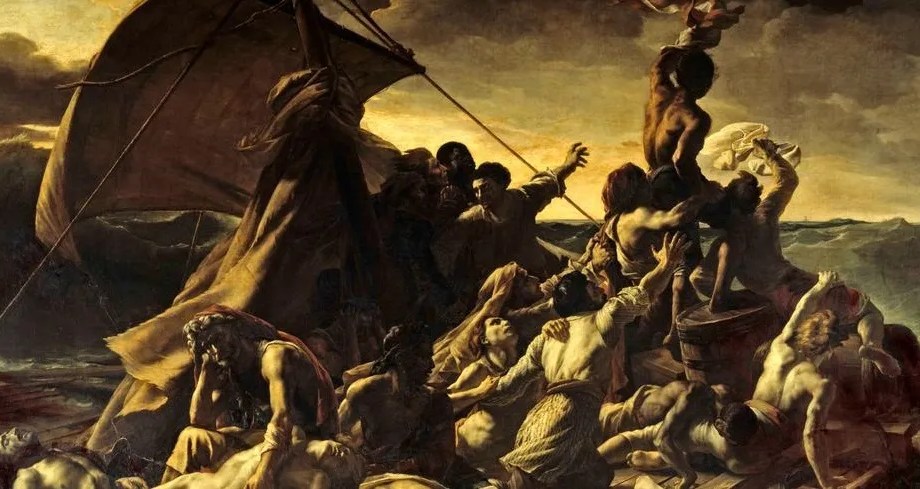
The Canvas of Historical Life: C.S. Peirce and the Semiotics of Ideology – Considerations on an Essay by Perry Anderson

This essay explores Perry Anderson’s essay on the impact of ideas on history and ideology, integrating C.S. Peirce’s semiotics. It discusses the dual role of ideologies as both abstract beliefs and systems that shape social habits. Emphasizing Peirce’s belief as habit, the work argues for a new direction in Leftist thought amid neoliberal dominance, advocating for flexible, inquiry-based ideologies.

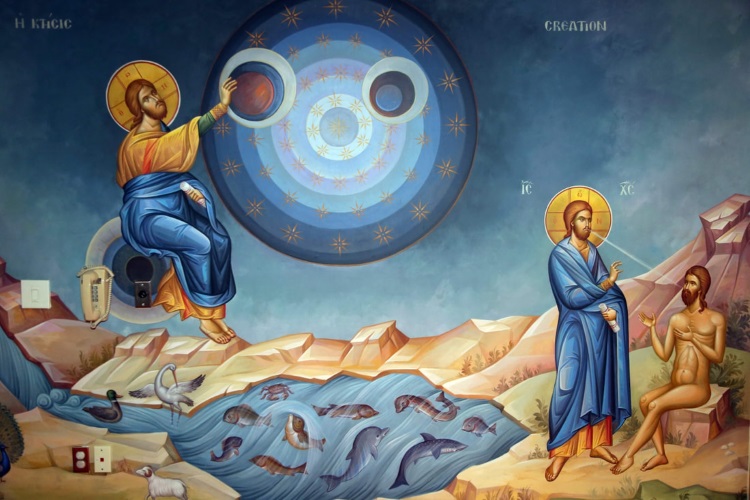
The Last Speck of Dust: Considerations on the Chrisian as a Poet within a Sacramental Cosmos

This essay explores how Christians can cultivate a poetic sensibility to find meaning and purpose in life. By examining the effects of materialism and science on spirituality, it highlights insights from various philosophers and invites an artistic engagement with Creation, emphasizing relationality, creativity, and the transformative power of love in human experience.

Here’s to Swimmin’ with Bowlegged Women: An Appraisal of Jaws

Jaws (1975) transcends its blockbuster status through improvisational production and aesthetic innovation amid constraints. The film’s editing, cinematography, and score converge, crafting a heightened sense of suspense and atmosphere. It explores themes of masculinity, authority, and existential dread, revealing a complex interplay among characters against an unseen, incomprehensible threat.

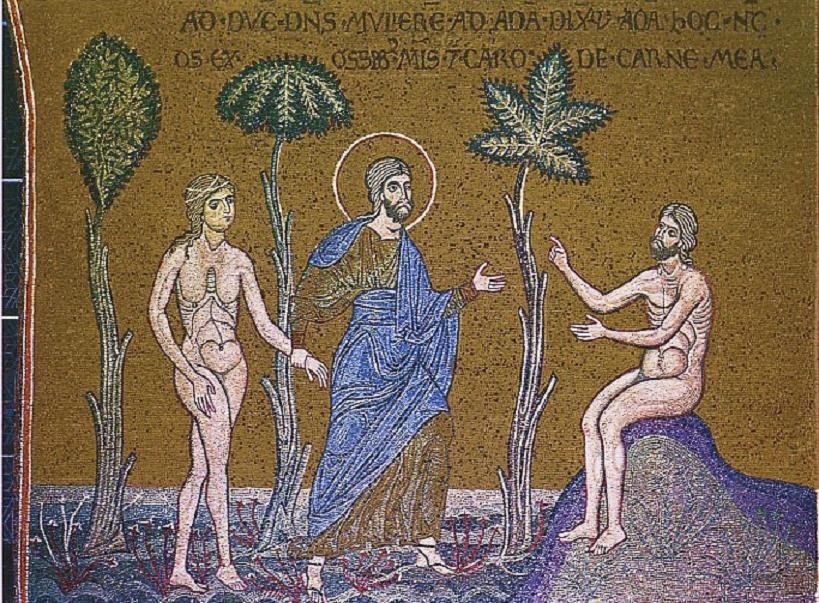
A Most Capacious Workshop: Reading St. Maximos’ Ambiguum 41 through Hans Jonas and Maurice Merleau-Ponty

This essay examines Ambiguum 41 by St. Maximos the Confessor through the perspectives of Hans Jonas and Maurice Merleau-Ponty. It argues that humans, as mediators between the divine and the cosmos, engage in a participatory role in creation. Both thinkers emphasize the significance of relational being, freedom, and the potential for transformation through understanding and love.