Tag: embodied phenomenology

A Most Capacious Workshop: Reading St. Maximos’ Ambiguum 41 through Hans Jonas and Maurice Merleau-Ponty

This essay examines Ambiguum 41 by St. Maximos the Confessor through the perspectives of Hans Jonas and Maurice Merleau-Ponty. It argues that humans, as mediators between the divine and the cosmos, engage in a participatory role in creation. Both thinkers emphasize the significance of relational being, freedom, and the potential for transformation through understanding and love.
The Storm Centre: Radical Empiricism and Embodied Phenomenology

This essay explores embodied phenomenology within William James’ radical empiricism, emphasizing consciousness as a dynamic process emerging from the holistic interplay of mind, body, and environment. It critiques traditional subject-object dichotomies, advocating for a view where pure experience is fundamental to understanding lived reality. James’ insights resonate with later phenomenologists like Heidegger and Merleau-Ponty.

The Faculty of Effort: William James and the Speculative Empiricist Attitude Towards Lived Experience and Approach to Philosophy

This essay outlines speculative empiricism, emphasizing experience’s dynamic nature and human self-seeking behavior. William James argues that our identities and achievements are shaped through social interactions and habits. He posits that life should be understood as a process of becoming, with ethical and existential implications rooted in human experiences and creativity.

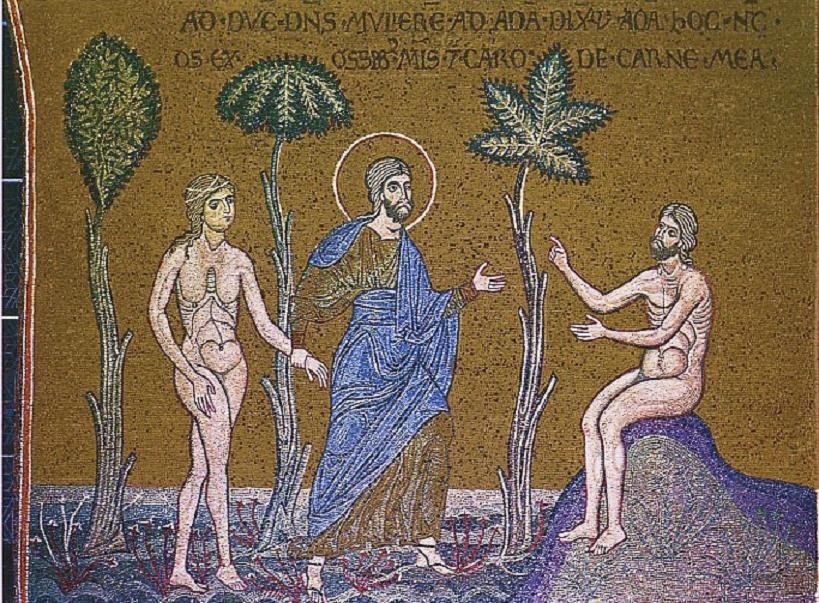
The Quintessence of Dust: The Human Hypostasis as the Image and Likeness of God

This essay explores Eastern Orthodox process theology, focusing on human hypostasis as an embodiment of divine likeness. It examines the interactions of active and passive hypostases across the cosmos, emphasizes human dignity through autonomy and self-governance, and integrates insights from thinkers like Hans Jonas and William James to frame human experience within divine creation.