Tag: jesus

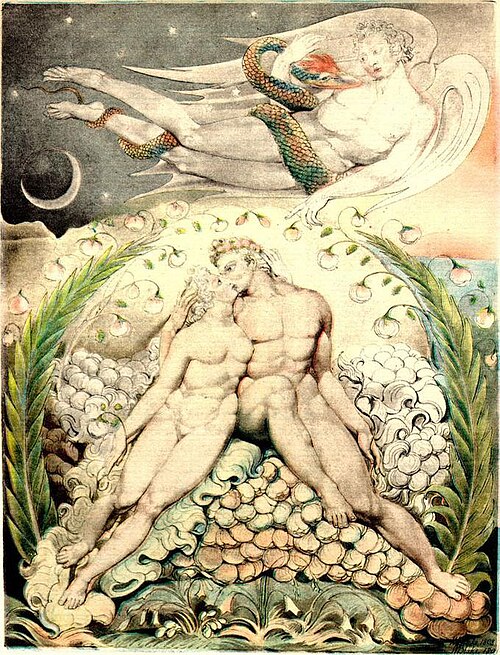
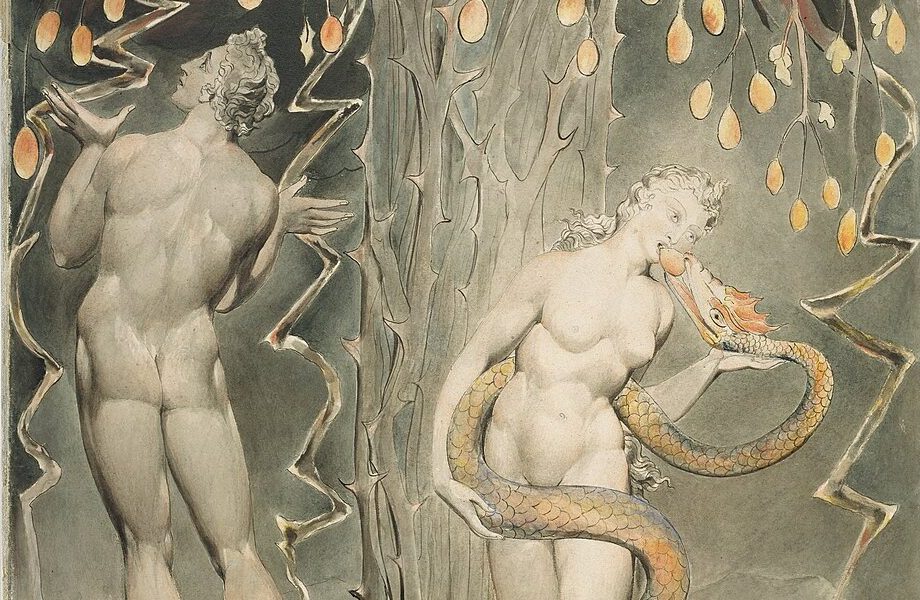
How Then Will You Become a God?: St. Irenaeus of Lyons on the Movement of Human Maturation

The essay explores St Irenaeus’ view of human development, asserting that humanity, created as good but incomplete, must mature towards divine participation. It discusses how the Devil’s envy leads to domination, hindering human growth. Salvation, therefore, is not just restoration but the transformation of humanity into a mature, interdependent being capable of communion with God.
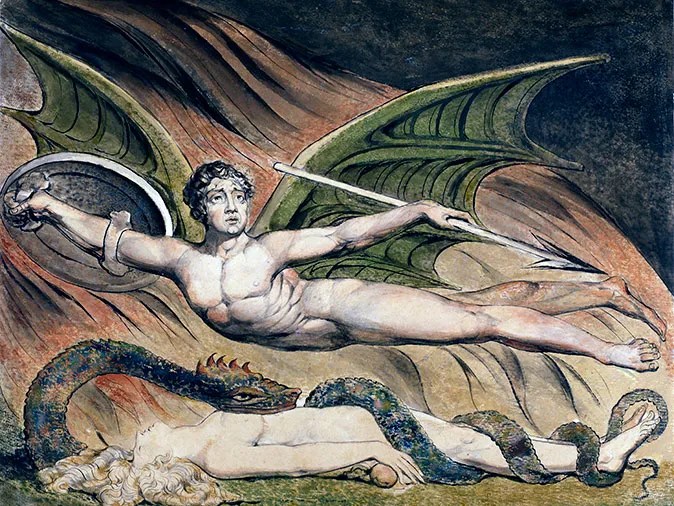
In a State of Pilgrimage: On the Developmental Anthropology of St. Irenaeus of Lyons

This essay presents a radical empiricist interpretation of St. Irenaeus of Lyons, suggesting that humanity’s creation in a state of immaturity is essential for growth into its fulfilment in Christ. The Fall is redefined as a distortion of this developmental process rather than an inherent defect in creation, with Christ facilitating humanity’s return to its intended purpose.

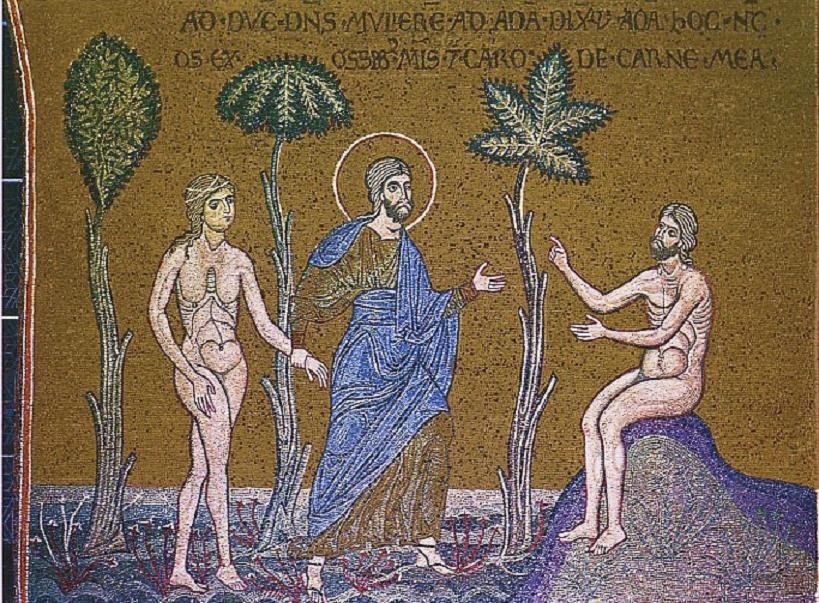
It Was the Lark: Toward a New Theology of Christian Love

The essay explores the significance of love within the Christian tradition, particularly from an Eastern Orthodox perspective. It critiques conventional biological and institutional interpretations, arguing that love transcends mere reproductive purposes and reveals deeper personal significance and spiritual communion. Ultimately, love embodies a transformative connection, reflecting divine presence and challenging the finality of death.

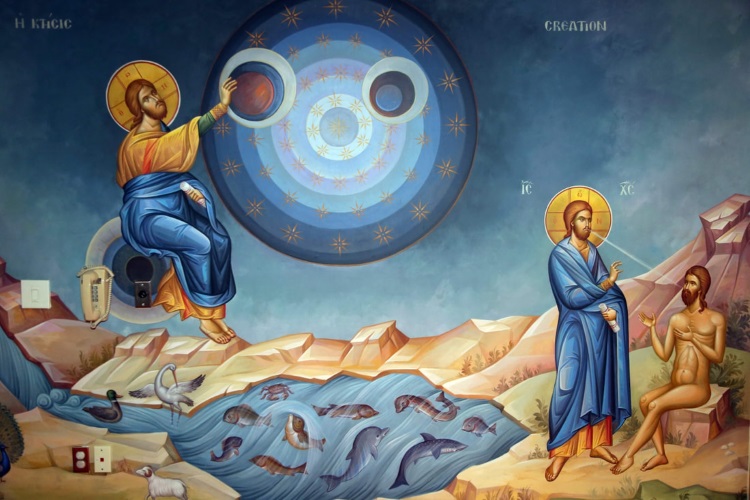
All at Once and in a Moment: Time, God, and Creation in St. Basil the Great and A.N. Whitehead

This essay synthesizes the Patristic cosmology of St. Basil the Great and Alfred North Whitehead’s process philosophy, focusing on their views of time, divine nature, and creation. Both thinkers present layered, meaningful models of temporality shaped by divine intention, emphasizing the relational and participatory aspects of time in connection with God’s activity and redemption.

A Most Capacious Workshop: Reading St. Maximos’ Ambiguum 41 through Hans Jonas and Maurice Merleau-Ponty

This essay examines Ambiguum 41 by St. Maximos the Confessor through the perspectives of Hans Jonas and Maurice Merleau-Ponty. It argues that humans, as mediators between the divine and the cosmos, engage in a participatory role in creation. Both thinkers emphasize the significance of relational being, freedom, and the potential for transformation through understanding and love.