Tag: William James

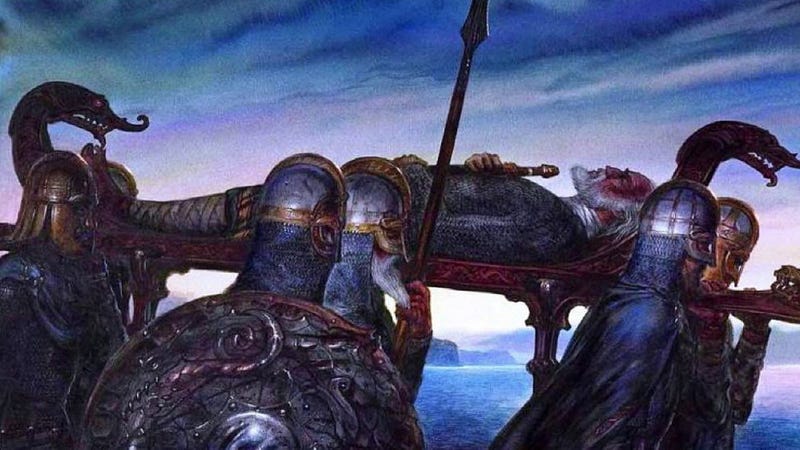
Beyond the Walls of the World: J.R.R. Tolkien and William James on the Enactive Potency of Imagination

This essay compares J.R.R. Tolkien and William James, highlighting the enactive power of imagination and fantasy in shaping lived experiences. Both thinkers articulate the interplay of joy and sorrow, emphasizing that imaginative faculties enable melioristic ideals and moral action, fostering transformation and hope within the human condition amid adversity.
The Storm Centre: Radical Empiricism and Embodied Phenomenology

This essay explores embodied phenomenology within William James’ radical empiricism, emphasizing consciousness as a dynamic process emerging from the holistic interplay of mind, body, and environment. It critiques traditional subject-object dichotomies, advocating for a view where pure experience is fundamental to understanding lived reality. James’ insights resonate with later phenomenologists like Heidegger and Merleau-Ponty.

The Faculty of Effort: William James and the Speculative Empiricist Attitude Towards Lived Experience and Approach to Philosophy

This essay outlines speculative empiricism, emphasizing experience’s dynamic nature and human self-seeking behavior. William James argues that our identities and achievements are shaped through social interactions and habits. He posits that life should be understood as a process of becoming, with ethical and existential implications rooted in human experiences and creativity.

A World of Dangers and Victories: A Comparitive Study of William James and Friedrich Nietzsche

This essay compares the philosophical perspectives of William James and Friedrich Nietzsche, focusing on their critiques of language, truth, and existence. Both thinkers advocate for creativity and the acceptance of life’s complexities, yet differ in approach: James emphasizes communal truth and pragmatism, while Nietzsche champions individualism and the pursuit of self-discovered truths.