Category: General Philosophy

A Work Beyond Its Proper Limits: Umwelt, Biosemiotics, and the Inheritance of Worlds

The essay explores how organisms bring forth meaning and significance through their evolutionary history and interactions with their environments. It examines the concept of Umwelt, highlighting that inherited capacities shape an organism’s engagement with the world. Evolution results in a continuous history of relations, with organisms altering their surroundings and passing on these changes to future generations.
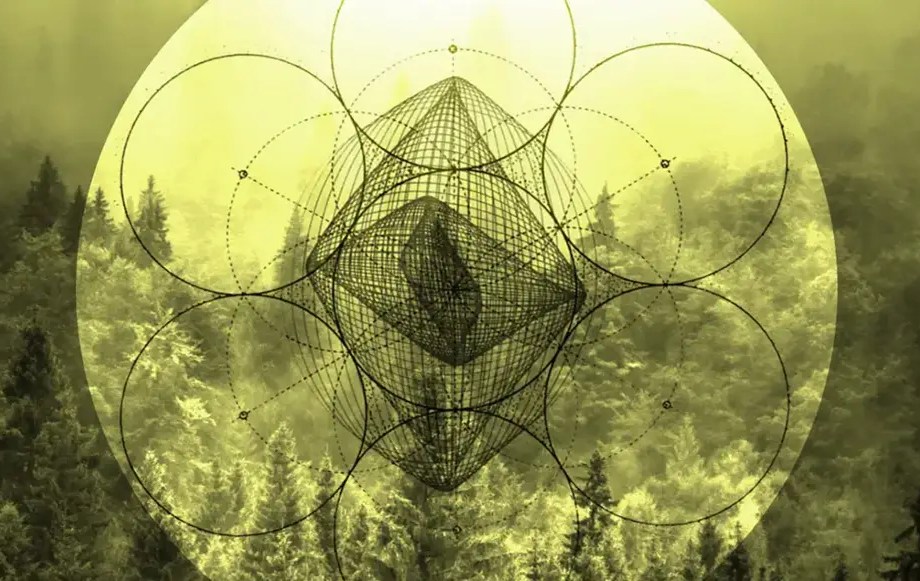
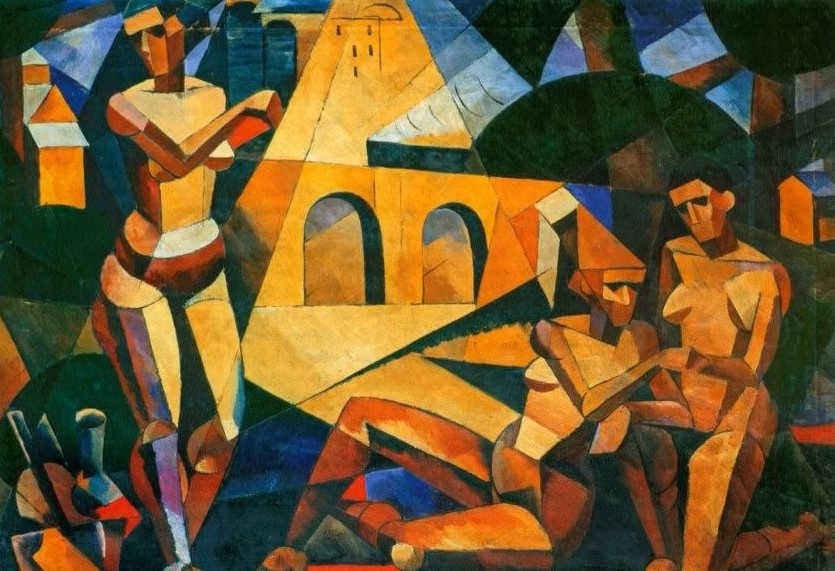
The Nature That We Are: A Critique of Marxian Naturalism

Karl Marx’s perspective on human nature presents a complex relationship between humanity and nature, positioning labour as a transformative process. However, his views create a hierarchy that privileges human consciousness over non-human life, raising concerns about alienation and the implications of communism. Ultimately, the analysis suggests a need to rethink the interconnectedness of nature and human evolution beyond Marxian frameworks.

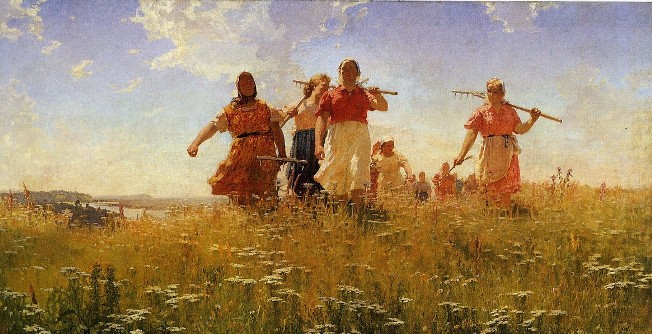
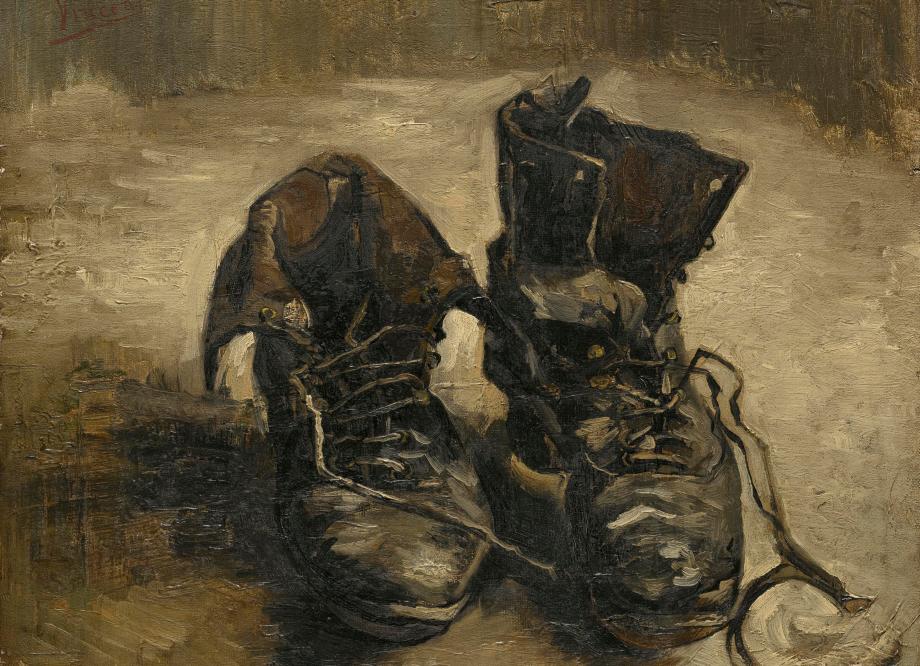
A Just and Loving Gaze: On the Cosmic Task of Art

The essay critiques the notion that beauty is solely subjective, arguing instead that true beauty arises from a disciplined perception that allows subjects to reveal their complexities. Drawing on the philosophies of Heidegger and Murdoch, it asserts that art must strive for a truthful representation of reality, embracing the intricacies and contradictions inherent within.

The Art of Being Right: Arthur Schopenhauer and the Anticipation of Quantum Mechanics

Philosopher Arthur Schopenhauer and physicist Erwin Schrodinger share an intellectual connection centered on the concept of ontological oneness. Schopenhauer anticipated themes present in quantum mechanics, emphasizing a unified reality beyond time and space. Both thinkers challenge conventional distinctions between observer and observed, highlighting the interplay of will and representation.

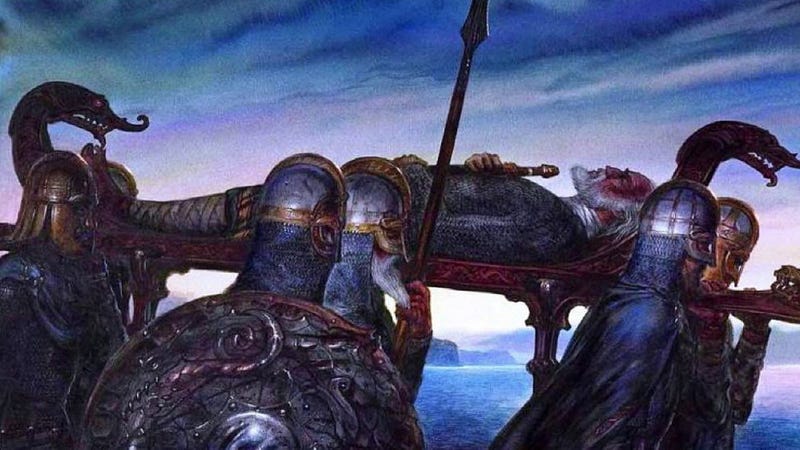
Beyond the Walls of the World: J.R.R. Tolkien and William James on the Enactive Potency of Imagination

This essay compares J.R.R. Tolkien and William James, highlighting the enactive power of imagination and fantasy in shaping lived experiences. Both thinkers articulate the interplay of joy and sorrow, emphasizing that imaginative faculties enable melioristic ideals and moral action, fostering transformation and hope within the human condition amid adversity.

The Storm Centre: Radical Empiricism and Embodied Phenomenology

This essay explores embodied phenomenology within William James’ radical empiricism, emphasizing consciousness as a dynamic process emerging from the holistic interplay of mind, body, and environment. It critiques traditional subject-object dichotomies, advocating for a view where pure experience is fundamental to understanding lived reality. James’ insights resonate with later phenomenologists like Heidegger and Merleau-Ponty.

The Faculty of Effort: William James and the Speculative Empiricist Attitude Towards Lived Experience and Approach to Philosophy

This essay outlines speculative empiricism, emphasizing experience’s dynamic nature and human self-seeking behavior. William James argues that our identities and achievements are shaped through social interactions and habits. He posits that life should be understood as a process of becoming, with ethical and existential implications rooted in human experiences and creativity.