Tag: politics

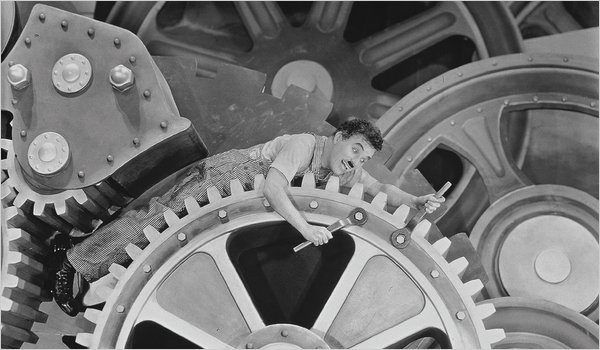
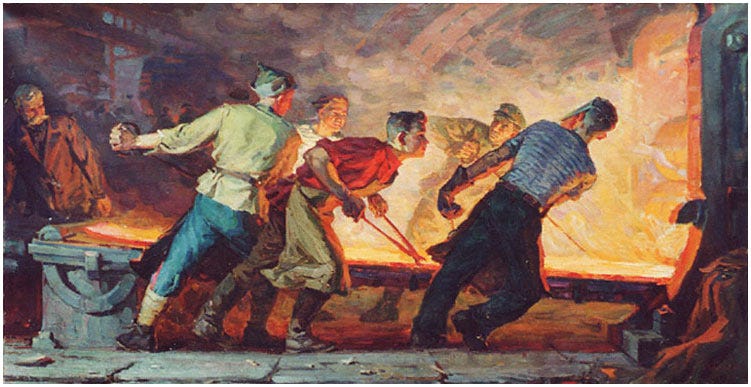
The Nature That We Are: A Critique of Marxian Naturalism

Karl Marx’s perspective on human nature presents a complex relationship between humanity and nature, positioning labour as a transformative process. However, his views create a hierarchy that privileges human consciousness over non-human life, raising concerns about alienation and the implications of communism. Ultimately, the analysis suggests a need to rethink the interconnectedness of nature and human evolution beyond Marxian frameworks.
A Terminal Beach: Francis Fukuyama, William James, and the Crisis of Liberal Democracy

This essay examines the inadequacies of liberalism as a political framework, particularly its failure to create coherent political identities. By utilizing William James’s concept of the self, it argues liberalism fell short in aligning material, social, and moral dimensions, leading to a crisis of the liberal subject and instability in contemporary political systems.

The Canvas of Historical Life: C.S. Peirce and the Semiotics of Ideology

This essay explores Perry Anderson’s essay on the impact of ideas on history and ideology, integrating C.S. Peirce’s semiotics. It discusses the dual role of ideologies as both abstract beliefs and systems that shape social habits. Emphasizing Peirce’s belief as habit, the work argues for a new direction in Leftist thought amid neoliberal dominance, advocating for flexible, inquiry-based ideologies.

Let the Markets Eat the Rich!: Three Essays on Left Market Anarchism

This document encompasses three essays reflecting on left-libertarian and anarchist perspectives, focusing on the misconceptions surrounding capitalism and classical liberalism. It critiques classical liberalism’s portrayal of free markets and highlights the violent historical roots of capitalism, advocating for a more egalitarian socio-economic system that promotes decentralized ownership and community-based governance.

Grasping for Real Relations: A Study of Karl Marx from the Perspective of Radical Empiricism

This study examines Marx’s political and social theories through radical empiricism, focusing on three main areas: his theory of production, labour theory of value, and concept of alienation. It highlights how capitalism commodifies labour, leading to alienation and the reduction of human creativity, impacting both individual existence and societal relations.

Striving Towards Ownness: A Study of Max Stirner from the Perspective of Radical Empiricism

This essay examines Max Stirner’s philosophy of egoism through radical empiricism and pragmatism. It explores how Stirner’s egoism emphasizes individual uniqueness, critiques abstract concepts, and advocates for personal freedom. The discussion encompasses embodied phenomenology, pragmatic ethics, and political philosophy, proposing a “union of egos” as a voluntary alternative to state authority.