Author: Columba John Hawthorne

I'm an amateur philosopher and lay theologian based in Scotland, UK.

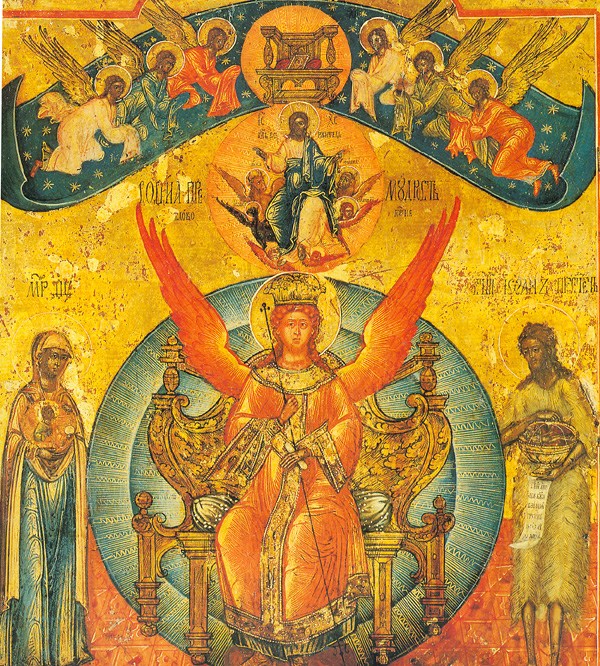
A Fundamental Mark of the Created World: Sophiology and the Recovery of the Feminine

The modern Sophiological tradition, initiated by Russian theologians, explores divine Wisdom’s role in Creation’s intelligibility and beauty. It distinguishes between Divine Sophia and creaturely Sophia, underscoring their relationship without conflating them. The discourse discusses the interconnectedness of receptivity, agency, and the role of poets to illustrate these dynamics in spirituality and art.
Book Review: Noumenautics and Modes of Sentience

Peter Sjöstedt-Hughes’ works, “Noumenautics” and “Modes of Sentience,” explore the intersection of psychedelics, metaphysics, and consciousness. They argue that ordinary perception limits reality understanding and propose that psychedelics reveal deeper truths about nature and consciousness. The author critiques physicalism, advocating for a more profound, relational view of existence while ultimately contrasting these insights with Christian theology.

It Was the Lark: Toward a New Theology of Christian Love

The essay explores the significance of love within the Christian tradition, particularly from an Eastern Orthodox perspective. It critiques conventional biological and institutional interpretations, arguing that love transcends mere reproductive purposes and reveals deeper personal significance and spiritual communion. Ultimately, love embodies a transformative connection, reflecting divine presence and challenging the finality of death.

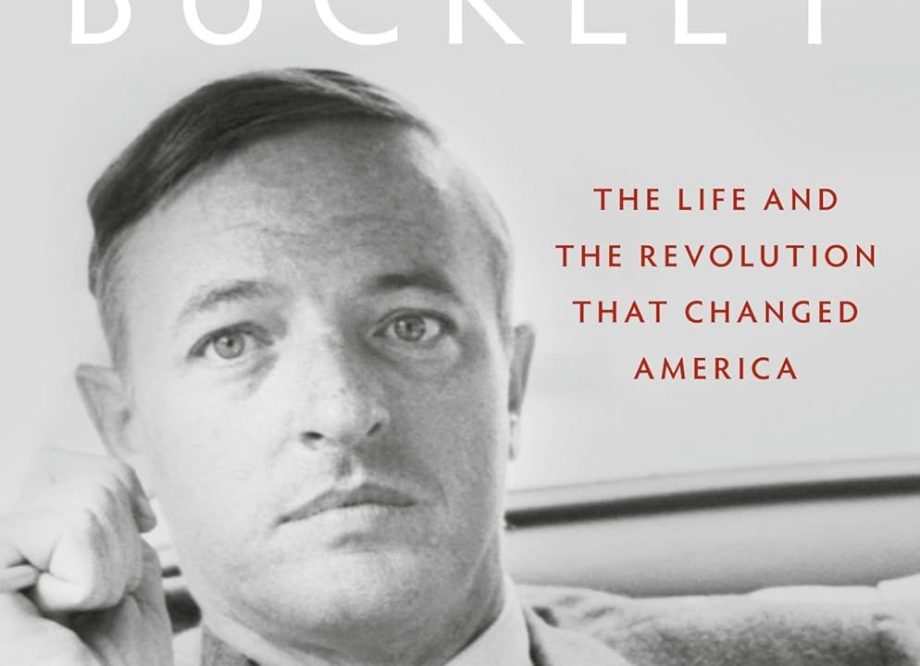
A Terminal Beach: Francis Fukuyama, William James, and the Crisis of Liberal Democracy

This essay examines the inadequacies of liberalism as a political framework, particularly its failure to create coherent political identities. By utilizing William James’s concept of the self, it argues liberalism fell short in aligning material, social, and moral dimensions, leading to a crisis of the liberal subject and instability in contemporary political systems.

The Canvas of Historical Life: C.S. Peirce and the Semiotics of Ideology

This essay explores Perry Anderson’s essay on the impact of ideas on history and ideology, integrating C.S. Peirce’s semiotics. It discusses the dual role of ideologies as both abstract beliefs and systems that shape social habits. Emphasizing Peirce’s belief as habit, the work argues for a new direction in Leftist thought amid neoliberal dominance, advocating for flexible, inquiry-based ideologies.

Let the Markets Eat the Rich!: Three Essays on Left Market Anarchism

This document encompasses three essays reflecting on left-libertarian and anarchist perspectives, focusing on the misconceptions surrounding capitalism and classical liberalism. It critiques classical liberalism’s portrayal of free markets and highlights the violent historical roots of capitalism, advocating for a more egalitarian socio-economic system that promotes decentralized ownership and community-based governance.

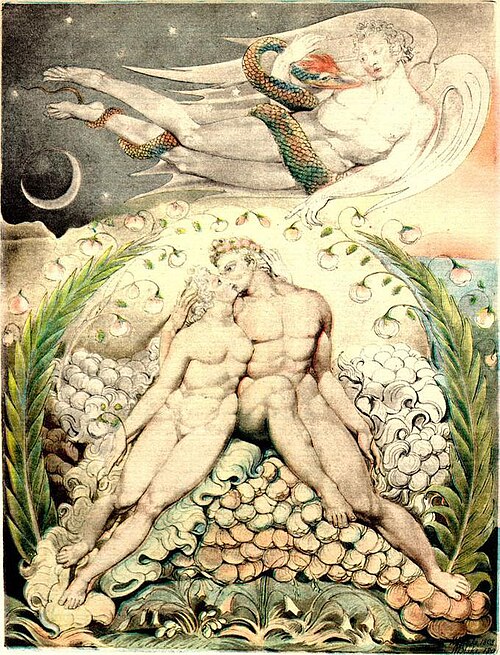
The Last Speck of Dust: Considerations on the Chrisian as a Poet within a Sacramental Cosmos

This essay explores how Christians can cultivate a poetic sensibility to find meaning and purpose in life. By examining the effects of materialism and science on spirituality, it highlights insights from various philosophers and invites an artistic engagement with Creation, emphasizing relationality, creativity, and the transformative power of love in human experience.

Here’s to Swimmin’ with Bowlegged Women: An Appraisal of Jaws

Jaws (1975) transcends its blockbuster status through improvisational production and aesthetic innovation amid constraints. The film’s editing, cinematography, and score converge, crafting a heightened sense of suspense and atmosphere. It explores themes of masculinity, authority, and existential dread, revealing a complex interplay among characters against an unseen, incomprehensible threat.