Category: Essays 2025 –

How Then Will You Become a God?: St. Irenaeus of Lyons on the Movement of Human Maturation

The essay explores St Irenaeus’ view of human development, asserting that humanity, created as good but incomplete, must mature towards divine participation. It discusses how the Devil’s envy leads to domination, hindering human growth. Salvation, therefore, is not just restoration but the transformation of humanity into a mature, interdependent being capable of communion with God.
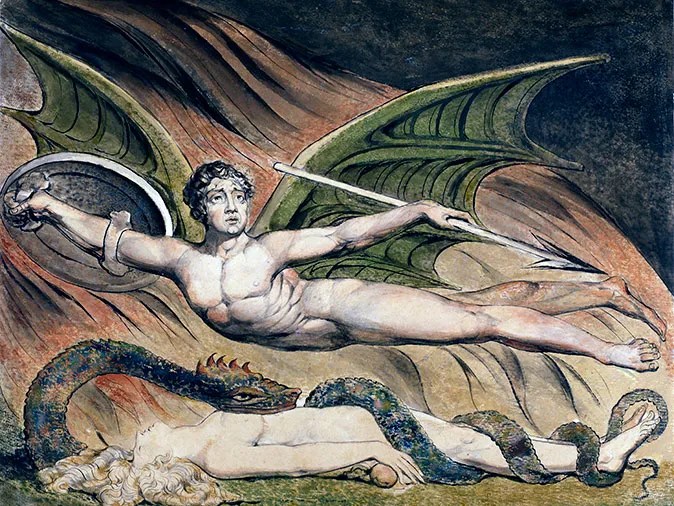
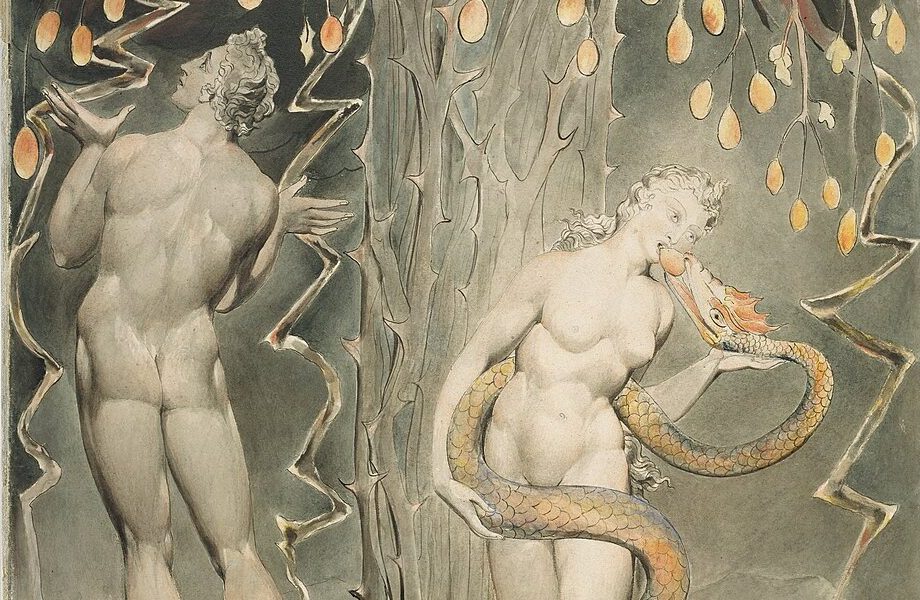
In a State of Pilgrimage: On the Developmental Anthropology of St. Irenaeus of Lyons

This essay presents a radical empiricist interpretation of St. Irenaeus of Lyons, suggesting that humanity’s creation in a state of immaturity is essential for growth into its fulfilment in Christ. The Fall is redefined as a distortion of this developmental process rather than an inherent defect in creation, with Christ facilitating humanity’s return to its intended purpose.

A Work Beyond Its Proper Limits: Umwelt, Biosemiotics, and the Inheritance of Worlds

The essay explores how organisms bring forth meaning and significance through their evolutionary history and interactions with their environments. It examines the concept of Umwelt, highlighting that inherited capacities shape an organism’s engagement with the world. Evolution results in a continuous history of relations, with organisms altering their surroundings and passing on these changes to future generations.

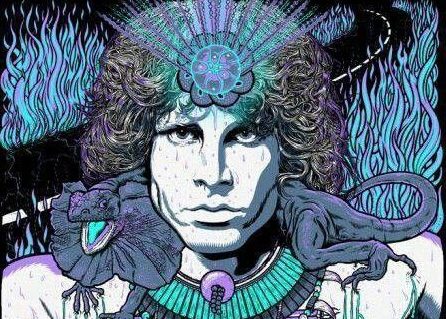
No One Here Gets Out Alive: Jim Morrison and the Philosophical Poetics of The Lords and the New Creatures

The essay reflects on Jim Morrison’s artistic vision, intertwining themes of existence, perception, and the dualities of life. It critiques societal structures that commodify experience while advocating for a more profound engagement with reality. Morrison’s call to “reinvent the gods” invites individuals to rethink identity and embrace transformative relationships in a complex world.

The Nature That We Are: A Critique of Marxian Naturalism

Karl Marx’s perspective on human nature presents a complex relationship between humanity and nature, positioning labour as a transformative process. However, his views create a hierarchy that privileges human consciousness over non-human life, raising concerns about alienation and the implications of communism. Ultimately, the analysis suggests a need to rethink the interconnectedness of nature and human evolution beyond Marxian frameworks.

A Just and Loving Gaze: On the Cosmic Task of Art

The essay critiques the notion that beauty is solely subjective, arguing instead that true beauty arises from a disciplined perception that allows subjects to reveal their complexities. Drawing on the philosophies of Heidegger and Murdoch, it asserts that art must strive for a truthful representation of reality, embracing the intricacies and contradictions inherent within.

A Fundamental Mark of the Created World: Sophiology and the Recovery of the Feminine

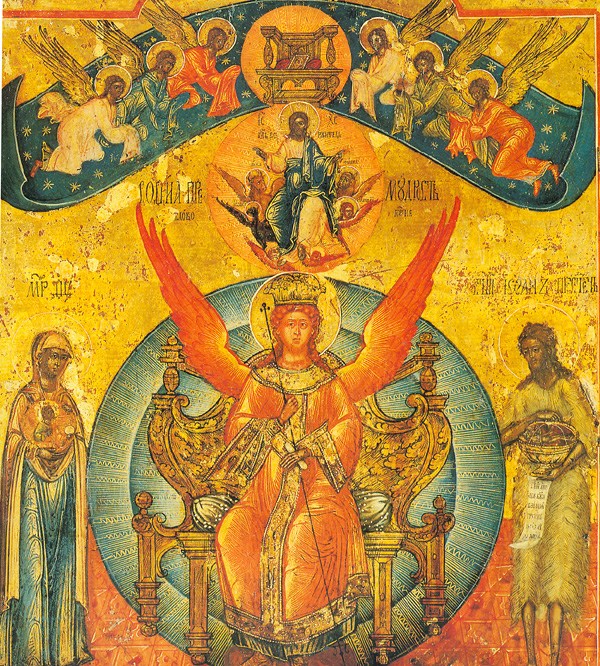
The modern Sophiological tradition, initiated by Russian theologians, explores divine Wisdom’s role in Creation’s intelligibility and beauty. It distinguishes between Divine Sophia and creaturely Sophia, underscoring their relationship without conflating them. The discourse discusses the interconnectedness of receptivity, agency, and the role of poets to illustrate these dynamics in spirituality and art.

Book Review: Noumenautics and Modes of Sentience

Peter Sjöstedt-Hughes’ works, “Noumenautics” and “Modes of Sentience,” explore the intersection of psychedelics, metaphysics, and consciousness. They argue that ordinary perception limits reality understanding and propose that psychedelics reveal deeper truths about nature and consciousness. The author critiques physicalism, advocating for a more profound, relational view of existence while ultimately contrasting these insights with Christian theology.