Tag: books

Book Review: Reagan

Max Boot’s “Reagan: His Life and Legend” explores the duality of Ronald Reagan’s persona, juxtaposing his historical life with the mythology created by the conservative movement. Boot meticulously reconstructs Reagan’s presidency, revealing him as both ideological and pragmatic, while examining his contradictions and the complexities of his political legacy without succumbing to simplistic judgements.


Book Review: Menken: The American Iconoclast

Marion Elizabeth Rodgers’s biography of H.L. Mencken explores the complexities of this influential figure, portraying him as both a fierce critic of American society and a product of his German-American background. The book delves into Mencken’s journalism, personal relationships, and contradictions, capturing his wit, prejudices, and enduring impact on American literature and culture.

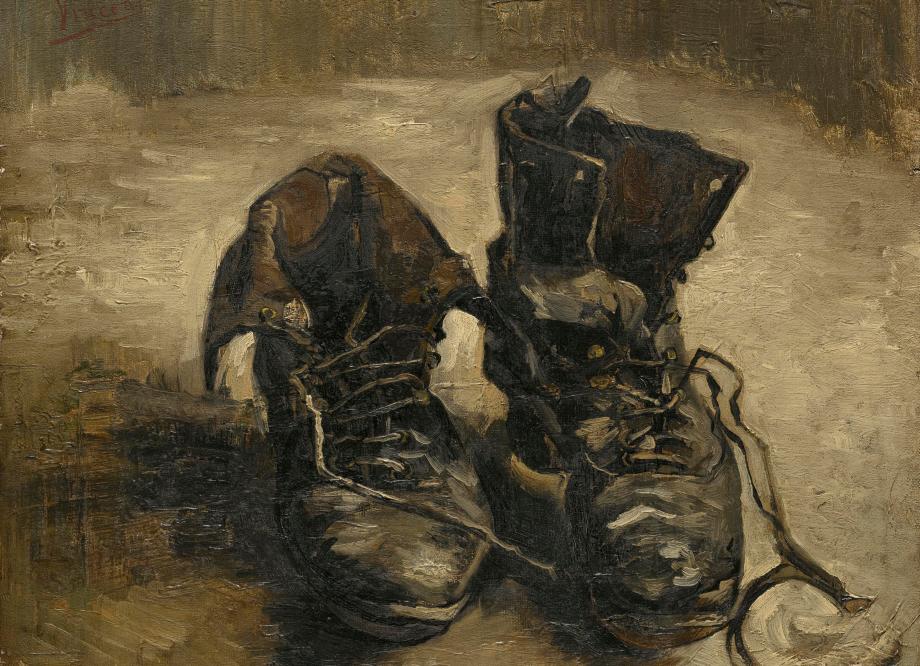
A Just and Loving Gaze: On the Cosmic Task of Art

The essay critiques the notion that beauty is solely subjective, arguing instead that true beauty arises from a disciplined perception that allows subjects to reveal their complexities. Drawing on the philosophies of Heidegger and Murdoch, it asserts that art must strive for a truthful representation of reality, embracing the intricacies and contradictions inherent within.

A World of Dangers and Victories: A Comparitive Study of William James and Friedrich Nietzsche

This essay compares the philosophical perspectives of William James and Friedrich Nietzsche, focusing on their critiques of language, truth, and existence. Both thinkers advocate for creativity and the acceptance of life’s complexities, yet differ in approach: James emphasizes communal truth and pragmatism, while Nietzsche champions individualism and the pursuit of self-discovered truths.

Being Before God: Heidegger on Christianity as a Way of Life

Heidegger’s examination of religious life emphasizes the interplay between lived experience and historical context in Christianity. He critiques metaphysical frameworks, advocating for a phenomenological approach that recognizes the significance of temporality and authentic existence. Faith, for Heidegger, transcends dogma, focusing on how one enacts life amidst historical reality and existential uncertainty.